



The world of forex trading online broker India Brokers Forex trading has captured the attention of countless investors worldwide. With its allure of high potential returns and accessibility, more traders are flocking to this financial platform. However, entering the Forex trading market without a proper understanding can lead to significant losses. One of the first steps you need to take as a prospective trader is to choose the right online broker. This article will delve into the essentials of Forex trading and what you should consider when selecting an online broker.
What is Forex Trading?
Forex trading, or foreign exchange trading, involves buying and selling currencies in pairs. The forex market is one of the largest and most liquid financial markets globally, with trillions of dollars traded daily. The primary objective is to profit from the fluctuations in currency values. For example, if you believe that the Euro will strengthen against the US Dollar, you would buy EUR/USD. If the Euro does appreciate, you can sell it back at a higher price to realize a profit.
Why Choose an Online Broker?
Online brokers have revolutionized the way traders conduct transactions. Here are a few reasons why you should consider trading through an online broker:
- Accessibility: Trade from anywhere in the world with internet access.
- Lower Costs: Online brokers often offer lower commission rates compared to traditional brokers.
- Variety of Tools: Most online brokers provide various trading tools and resources, including educational materials, trading platforms, and market analysis.
- Speed of Execution: Online platforms can process trades faster than manual methods, allowing for timely entries and exits.
Key Factors to Consider When Choosing an Online Broker
Not all online brokers are created equal. Here are some vital factors to consider to ensure you choose the right one for your trading needs:
1. Regulation and Security
One of the most crucial aspects to consider is whether the broker is regulated by a reputable authority. Regulatory bodies like the Financial Conduct Authority (FCA) in the UK or the Commodity Futures Trading Commission (CFTC) in the US enforce strict guidelines that protect traders. Always check the broker’s compliance to mitigate risks related to fraud or misuse of funds.
2. Trading Platforms
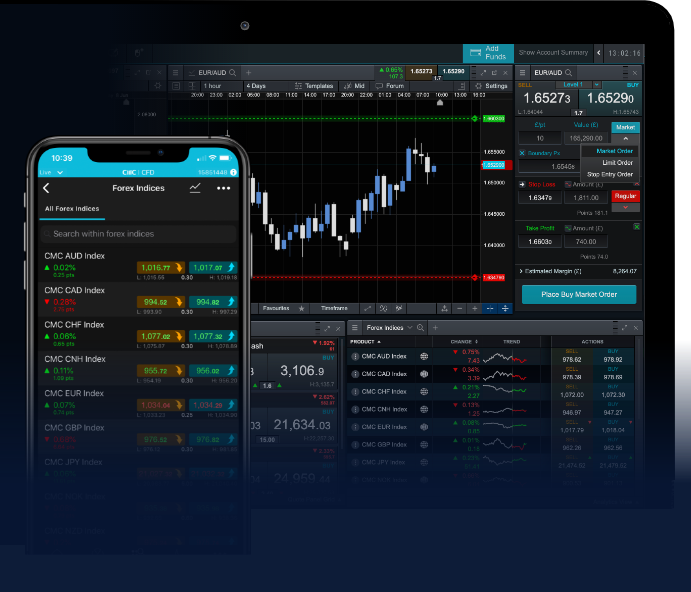
The quality of the trading platform can significantly impact your trading experience. Look for brokers that offer user-friendly, reliable platforms equipped with essential tools like technical analysis charts, order types, and research resources. Popular platforms include MetaTrader 4 (MT4) and MetaTrader 5 (MT5).
3. Spreads and Fees
The cost of trading can vary greatly among brokers, often marked by spreads and commission fees. A narrow spread can result in more profitable trades, especially for active traders. Make sure to evaluate all potential costs associated with trading, including withdrawal fees and overnight financing rates.
4. Customer Support
Having responsive and knowledgeable customer support can make your trading journey smoother. Look for brokers that offer multi-channel support, including live chat, phone, and email options. Testing their customer service responsiveness before opening an account can be beneficial.
5. Educational Resources
If you are a beginner, it’s critical to have access to educational resources. Some brokers provide free webinars, tutorial videos, and market analysis articles that can help novice traders build their knowledge and skills. Check if the broker offers educational materials that align with your learning preferences.
Forex Trading Strategies
Developing a trading strategy is crucial for your success in the Forex market. Here are a few popular strategies that traders often adopt:
- Day Trading: Involves buying and selling currencies within the same trading day, taking advantage of short-term price movements.
- Swing Trading: Focuses on capturing short- to medium-term gains by holding positions for several days or weeks.
- Scalping: A rapid trading method where traders aim to make small gains from very short-term price movements.
- Position Trading: A long-term strategy where traders hold positions for months or years to benefit from significant market movements.
Risk Management in Forex Trading
Risk management should be a core component of your Forex trading strategy. Here are some effective risk management techniques:
- Set Stop-Loss Orders: Implementing stop-loss orders helps prevent excessive losses by automatically closing a trade when it reaches a predetermined loss threshold.
- Diversification: Avoid putting all your capital into a single trade or currency. Diversifying your trading portfolio can help mitigate risks.
- Use Leverage Wisely: While leveraging can amplify profits, it can also magnify losses. Be cautious and know how much leverage you are using.
- Practice with a Demo Account: Many brokers offer demo accounts that allow you to trade with virtual funds. This is an excellent way to refine your strategy without risking real money.
Conclusion
Entering the Forex market can be both exciting and daunting. By understanding the fundamentals of Forex trading and carefully selecting the right online broker, you position yourself for success. Remember to conduct thorough research on potential brokers, take the time to learn about various trading strategies, and always prioritize risk management. With the right tools and knowledge, you can navigate the Forex market proficiently and work toward achieving your trading goals.
