


How to Report a Scammer: A Comprehensive Guide
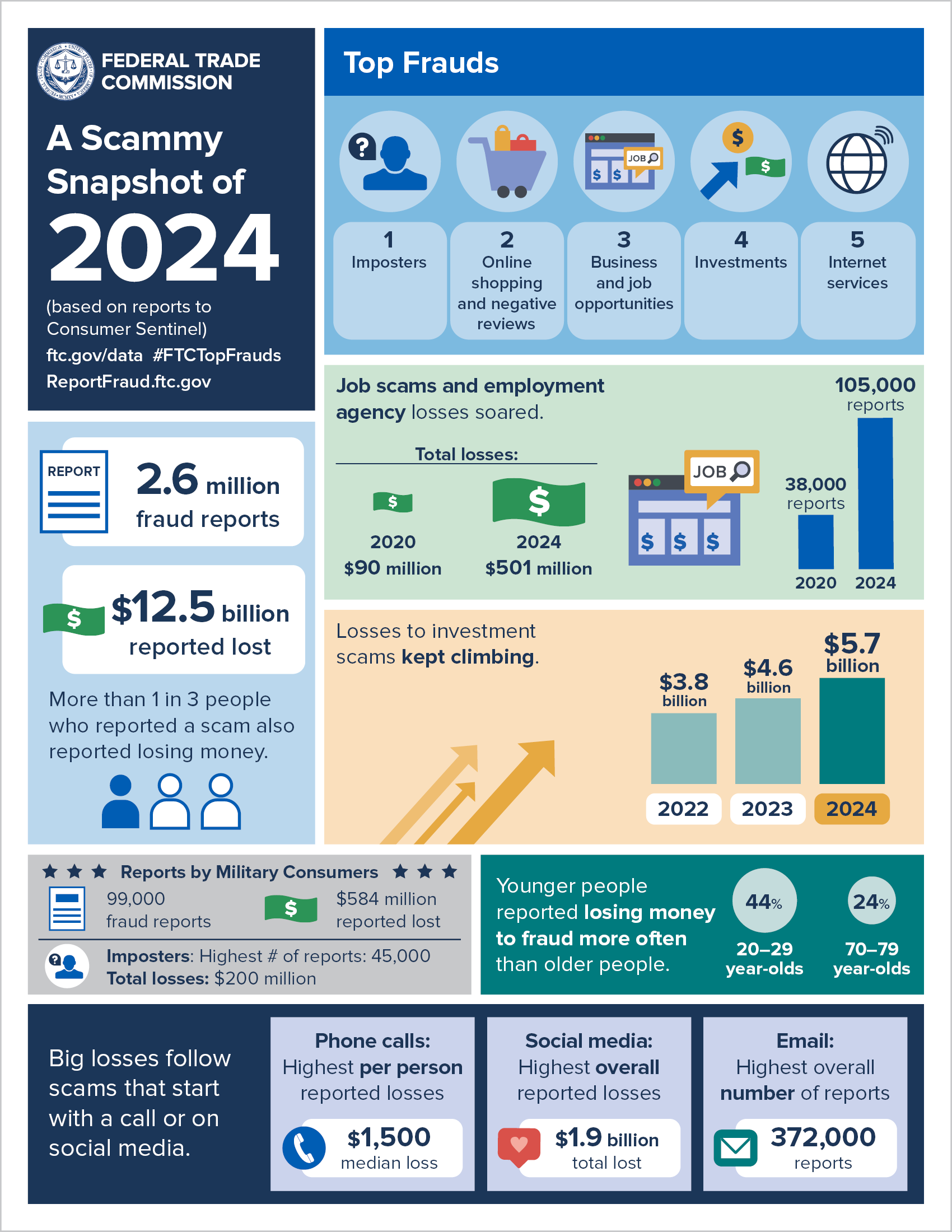
In an increasingly digital world, scams have become more prevalent and sophisticated. Whether it’s online fraud, phishing attempts, or fraudulent investment schemes, it’s crucial to know how to report a scammer effectively. By doing so, you not only help yourself but also protect others from falling victim to such deceitful practices. In this guide, we will explore the steps to report a scammer, the relevant authorities to contact, and useful tips for safeguarding your information. For detailed information on reporting scams specific to the UAE, you can visit how to report a scammer in UAE https://flippamagazine.co.uk/pgs/how-to-report-a-scammer-in-uae.html.
Recognizing Scam Types
The first step in combating scams is to understand the different types that exist. Some common scams include:
- Phishing Scams: These typically involve emails or messages that mimic legitimate businesses to steal personal information.
- Lottery or Prize Scams: Victims receive notifications claiming they’ve won a prize, but they must pay a fee to claim it.
- Investment Scams: Promises of high returns on investments that are too good to be true, often used to lure in victims.
- Online Dating Scams: Fraudsters build romantic relationships online to exploit their victims financially.
- Tech Support Scams: Scammers pose as tech support representatives to gain access to personal computers and data.
Steps to Report a Scammer
If you believe you have encountered a scammer, the following steps can guide you in reporting the incident:

1. Gather Evidence
Document everything related to the scam. Take screenshots of messages, emails, and any other correspondence. Keep records of phone numbers, dates, and the nature of the scam attempt. This documentation will be invaluable when reporting the scam.
2. Report to Authorities
Depending on where you are based, you’ll want to report the scam to the appropriate authorities:
- National Anti-Fraud Agencies: Most countries have dedicated agencies for dealing with fraud, such as the Federal Trade Commission (FTC) in the United States or Action Fraud in the UK.
- Local Law Enforcement: If you have been a victim of a scam, do not hesitate to file a report with your local police department.
- Consumer Protection Agencies: Organizations like the Better Business Bureau (BBB) can assist with consumer-related fraud complaints.
- Online Platforms: If the scam occurred through social media or online marketplaces, report the scamming account directly to the platform.
3. Notify Your Bank or Credit Card Company
If you have shared any financial information or made payments to a scammer, contact your bank or credit card company immediately. They can help mitigate any potential financial loss and monitor your account for fraudulent activity.
4. Use Online Reporting Resources
Many countries have online resources that allow you to report scams easily. Websites such as the FTC’s Complaint Assistant or the Internet Crime Complaint Center (IC3) in the U.S. provide platforms for submitting reports quickly.
Protecting Yourself from Future Scams
After reporting a scam, the next step is to ensure you are safeguarded against future issues. Here are some tips:
- Monitor Your Accounts: Regularly check your bank statements and online accounts for unauthorized transactions or suspicious activity.
- Use Strong Passwords: Implement strong, unique passwords for all your online accounts and change them regularly.
- Be Wary of Unsolicited Contacts: Always be suspicious of emails, messages, or calls that ask for personal information or prompt urgent action.
- Educate Yourself: Stay informed about common scams and tactics used by fraudsters. Knowledge is your best defense.
Conclusion
Reporting a scammer is an essential step in protecting yourself and others from fraudulent schemes. By following the steps outlined in this guide, you can take proactive measures to report scammers effectively. Always remember that vigilance and awareness are key in combating scams in today’s digital landscape. Don’t hesitate to take action, and encourage those around you to do the same.
